
Posts by echolake1
Finding a New Hobby Later in Life

Finding a new hobby as a senior isn’t about starting over—it’s about rediscovering curiosity and choosing activities that fit your current lifestyle, energy level, and interests. A good place to begin is by reflecting on what you’ve always enjoyed or wished you had more time for. Maybe it’s creative pursuits like painting or writing, hands-on…
Read MoreNext Steps After an Alzheimer’s Diagnosis

Receiving a diagnosis of Alzheimer’s disease can feel overwhelming, but having a clear plan can help bring a sense of direction and control. One of the first steps is to take time to process the diagnosis and have open, honest conversations with family members or trusted loved ones. Building a support system early ensures that both the…
Read MoreCan Multivitamins Improve Cognition?

For seniors, maintaining optimal brain health is a key factor in preserving independence and quality of life, and multivitamins may play a supportive role. Certain vitamins and minerals, such as B-complex vitamins, vitamin D, vitamin E, and antioxidants like zinc and selenium, are essential for proper nerve function, neurotransmitter production, and protection against oxidative stress.…
Read MoreDiet Tips for Cancer Prevention

As an older adult, following a cancer-prevention diet involves not just what you eat, but also how you eat to support overall health, digestion, and nutrient absorption. Emphasizing plant-based foods—like vegetables, fruits, legumes, and whole grains—provides antioxidants, fiber, and vitamins that help protect cells from damage. Older adults should focus on variety and color in…
Read MoreTips to Improve Longevity as We Age

For seniors looking to improve longevity, incorporating healthy habits into daily life can make a significant difference. Staying physically active is essential—even gentle exercises like walking, stretching, light strength training, or household chores help maintain cardiovascular health, muscle strength, and balance. Pairing movement with a balanced diet rich in fruits, vegetables, whole grains, lean proteins,…
Read MoreCould a Nasal Swab Someday Help Detect Alzheimer’s?
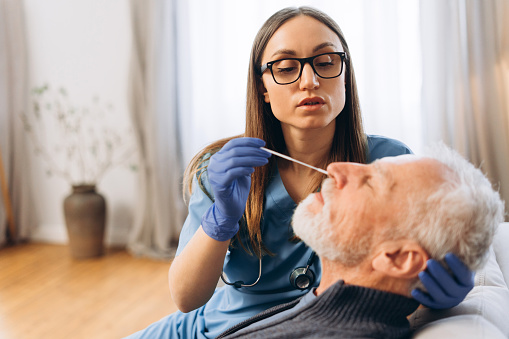
A new study published in Nature Communications suggests that a simple nasal swab could one day become a powerful tool for detecting Alzheimer’s disease in its earliest stages—potentially years before memory loss or cognitive symptoms begin. Researchers found that cells collected from deep inside the nasal cavity, where smell-related nerve cells reside, may carry early biological signals of the…
Read MoreIs it Time to Consider an eReader?

For many older adults who have enjoyed printed books for decades, transitioning to an eReader can feel like a big change. The key to a smooth adjustment is recognizing that eReaders are designed to make reading easier and more comfortable. Many devices allow readers to enlarge text, adjust brightness, and change font styles, making words…
Read MoreHow Medication Can Impact Your Sleep
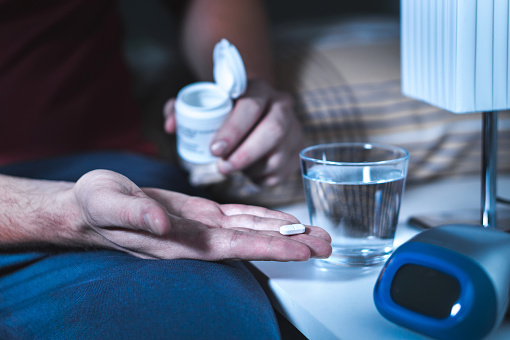
Sleep can become more sensitive with age, and certain medications commonly prescribed to older adults may interfere with healthy sleep patterns. Stimulant medications, including some used for attention disorders or breathing conditions, can make it harder to fall asleep or stay asleep. Decongestants found in many cold and allergy remedies can also stimulate the nervous…
Read MoreThe Best Low Impact Exercises for Seniors

Low-impact exercises are a great way for seniors to stay active, build strength, and support overall health while being gentle on the joints. Walking remains one of the simplest and most effective options—it improves cardiovascular health, supports bone strength, and can be easily adjusted for pace and distance. Whether it’s a stroll around the neighborhood…
Read MoreMedical Conditions that can Mimic Dementia
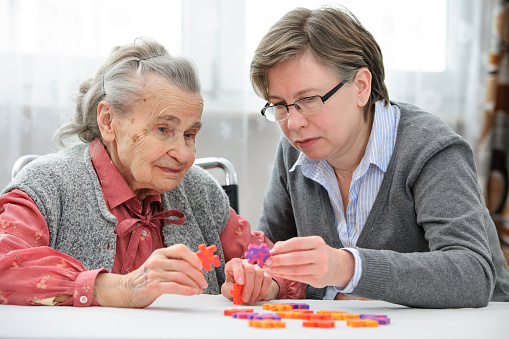
Several medical conditions can cause symptoms that resemble dementia but are not caused by progressive neurodegenerative disease. These conditions are often referred to as reversible or potentially treatable causes of cognitive impairment. Identifying them is critical, as proper treatment can significantly improve memory, thinking, and daily functioning. Depression is one of the most common conditions that can mimic…
Read More