Posts by echolake1
Tips for Boosting Your Health as You Age

Healthy aging involves more than just living longer—it’s about maintaining energy, independence, and overall well-being. Older adults can take many proactive steps to boost their health as they age, starting with regular physical activity. Exercise helps maintain muscle strength, balance, and flexibility, which reduces the risk of falls and supports heart health. Activities like walking, swimming,…
Read MoreWhat to Know About New FDA-Approved Blood Tests for Diagnosing Alzheimer’s
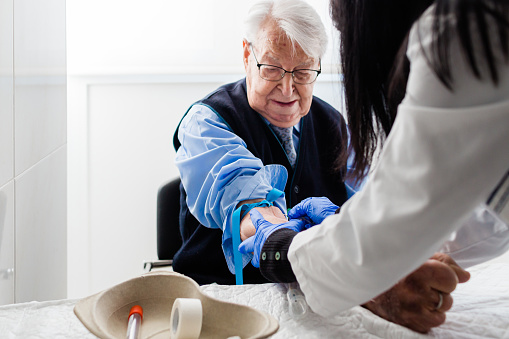
Until recently, diagnosing Alzheimer’s in someone who is showing signs of memory loss or thinking difficulties often meant undergoing a brain scan (a PET scan) or a lumbar puncture (spinal tap) to look for signs of amyloid or tau changes in the brain. These procedures can be expensive, invasive, or not easy to access. Now,…
Read MoreTips for Managing Joint Pain

Joint pain is one of the most common challenges that come with aging, but the good news is there are many ways to manage it and stay active. Gentle movement is one of the best remedies—regular low-impact exercises like walking, swimming, or stretching can help keep joints flexible and reduce stiffness. Even a few minutes…
Read MoreSip Your Way to Better Health with Tea

There’s something so comforting about a warm cup of tea, especially when it does more than just taste good. Many teas have gentle, natural properties that can help ease common aches and discomforts—making them a simple and soothing addition to your daily routine. For Achy Joints and MusclesIf stiffness or soreness is part of your…
Read MoreHow Exercise Can Help Lower Your Blood Pressure

If you have high blood pressure, your doctor may recommend exercise as one way to lower it. Regular exercise is one of the most effective and natural ways to lower your blood pressure while also supporting overall heart health. When the body moves, the heart becomes stronger and more efficient at pumping blood, which lessens…
Read MoreThe Most Common Chronic Health Issues Impacting Older Adults

As people age, they become more susceptible to chronic health conditions due to natural changes in the body, lifestyle factors, and genetics. Some of the most common chronic health conditions that impact seniors include heart disease, diabetes, arthritis, and chronic respiratory diseases. These conditions can significantly affect quality of life, mobility, and independence, often requiring…
Read MoreBest Foods to Help Lower Your Cholesterol

Lowering cholesterol is especially important for older adults, as it helps protect heart health and reduces the risk of stroke and other cardiovascular diseases. Fortunately, certain foods can play a powerful role in improving cholesterol levels naturally, while also supporting overall wellness. One of the most effective groups of foods for lowering cholesterol are those…
Read MoreCan You Prevent Dementia?

While there is currently no guaranteed way to prevent dementia, research suggests that older adults can take meaningful steps to lower their risk and support long-term brain health. Dementia is influenced by a mix of genetic, environmental, and lifestyle factors, but healthy daily habits may help protect the brain and delay the onset of cognitive…
Read MoreThe Importance of Lung Health

As we age, our lungs naturally undergo changes that can make breathing less efficient. The muscles and tissues around the lungs may weaken, airways can lose some of their elasticity, and the immune system may not fight off infections as easily. These changes can make older adults more vulnerable to respiratory issues such as chronic…
Read MoreTips for How to Avoid Getting the Flu
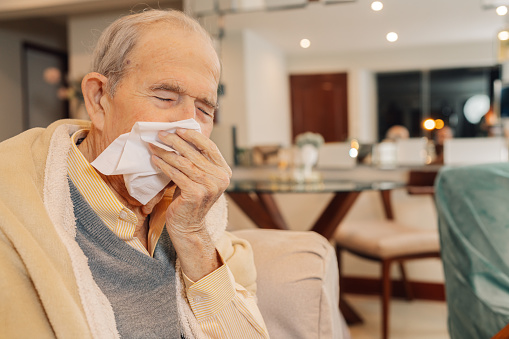
We’re nearing the peak flu season in the U.S., which means it’s time to brush up on some best practices to help prevent you from getting this respiratory illness. One of the most effective ways older adults can protect themselves from the flu is by getting an annual flu vaccine. Because immunity naturally weakens with age,…
Read More