Health & Wellness
Good News! More People are Surviving Cancer than Ever Before
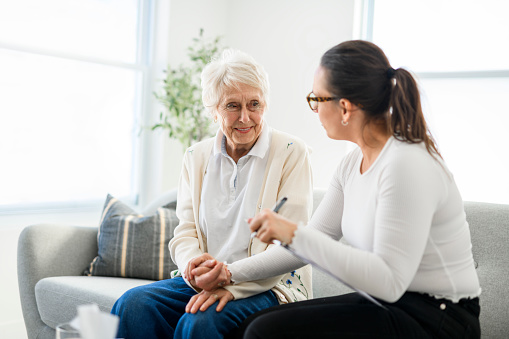
More people are surviving cancer than ever before thanks to major advances in early detection and screening. Improved imaging, genetic testing, and routine screenings are helping doctors identify cancers at earlier, more treatable stages. When cancer is caught early, treatment options are often more effective and less aggressive, leading to better outcomes and higher survival…
Read MoreThe Benefits of Physical Therapy
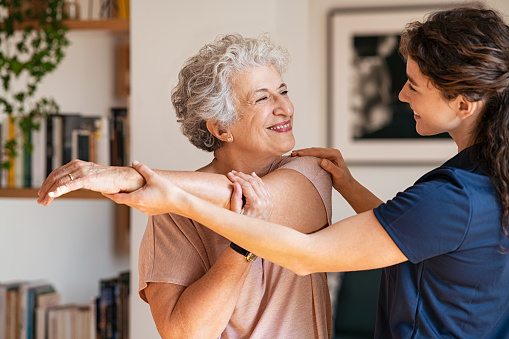
Physical therapy isn’t just for recovery after surgery or injury—it’s also one of the best ways for older adults to stay active, mobile, and independent. A physical therapist can design safe, personalized exercises that help improve strength, flexibility, and balance, making everyday activities like walking, dressing, or climbing stairs easier and safer. Preventing Falls and…
Read MoreThe Health Risks of Extreme Cold Weather
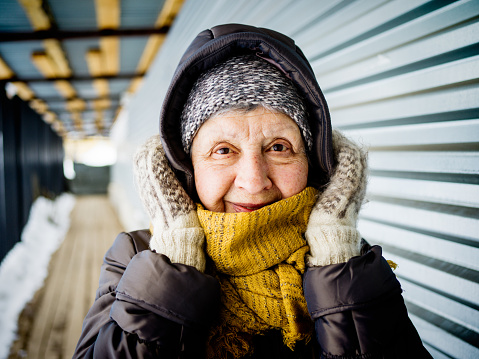
Winter brings shorter days, lower temperatures, and unpredictable weather patterns that can be especially dangerous for older adults. As the body ages, it becomes less efficient at sensing and regulating temperature, which makes it harder to stay warm in cold environments. Even brief exposure to freezing temperatures can cause the body’s internal heat to drop…
Read MoreThe Health Benefits of Coffee
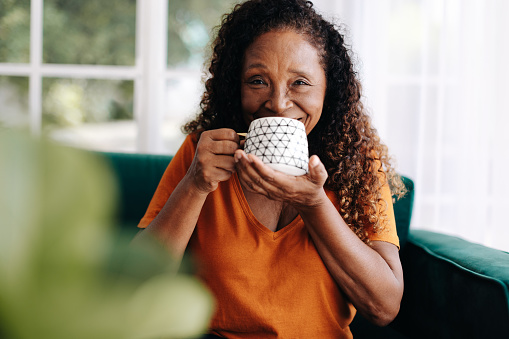
Coffee is much more than just a morning pick-me-up; it offers a variety of health benefits backed by scientific research. Rich in antioxidants and essential nutrients, coffee can help protect cells from damage and reduce inflammation throughout the body. Studies suggest that moderate coffee consumption is linked to a lower risk of several chronic diseases,…
Read MoreFall Prevention Tips for Seniors
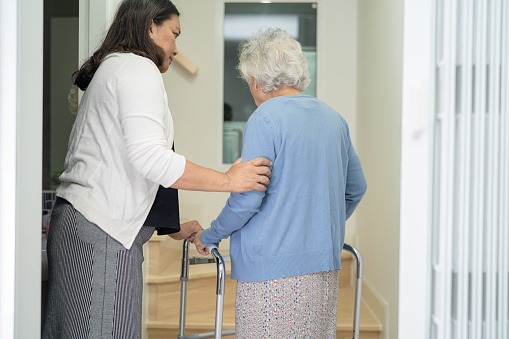
Falls are one of the most serious risks facing older adults, often leading to injuries that can significantly impact their independence and quality of life. Even a minor fall can result in fractures, head injuries, or bruises that may require hospitalization and long recovery times. Beyond physical harm, falls can also cause fear and anxiety,…
Read MoreTips for Boosting Your Health as You Age
Healthy aging involves more than just living longer—it’s about maintaining energy, independence, and overall well-being. Older adults can take many proactive steps to boost their health as they age, starting with regular physical activity. Exercise helps maintain muscle strength, balance, and flexibility, which reduces the risk of falls and supports heart health. Activities like walking, swimming,…
Read MoreTips for Managing Joint Pain
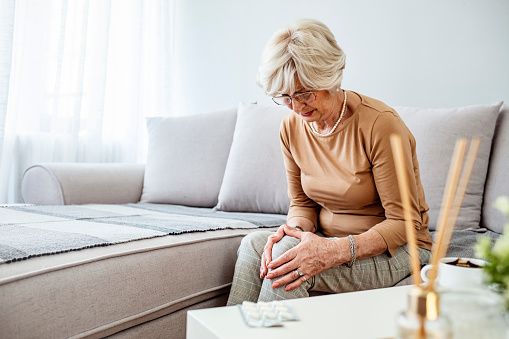
Joint pain is one of the most common challenges that come with aging, but the good news is there are many ways to manage it and stay active. Gentle movement is one of the best remedies—regular low-impact exercises like walking, swimming, or stretching can help keep joints flexible and reduce stiffness. Even a few minutes…
Read MoreSip Your Way to Better Health with Tea

There’s something so comforting about a warm cup of tea, especially when it does more than just taste good. Many teas have gentle, natural properties that can help ease common aches and discomforts—making them a simple and soothing addition to your daily routine. For Achy Joints and MusclesIf stiffness or soreness is part of your…
Read MoreHow Exercise Can Help Lower Your Blood Pressure

If you have high blood pressure, your doctor may recommend exercise as one way to lower it. Regular exercise is one of the most effective and natural ways to lower your blood pressure while also supporting overall heart health. When the body moves, the heart becomes stronger and more efficient at pumping blood, which lessens…
Read MoreThe Most Common Chronic Health Issues Impacting Older Adults
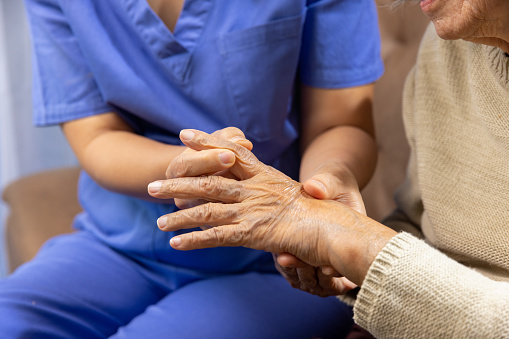
As people age, they become more susceptible to chronic health conditions due to natural changes in the body, lifestyle factors, and genetics. Some of the most common chronic health conditions that impact seniors include heart disease, diabetes, arthritis, and chronic respiratory diseases. These conditions can significantly affect quality of life, mobility, and independence, often requiring…
Read More