Health & Wellness
Finding a New Hobby Later in Life

Finding a new hobby as a senior isn’t about starting over—it’s about rediscovering curiosity and choosing activities that fit your current lifestyle, energy level, and interests. A good place to begin is by reflecting on what you’ve always enjoyed or wished you had more time for. Maybe it’s creative pursuits like painting or writing, hands-on…
Read MoreCan Multivitamins Improve Cognition?
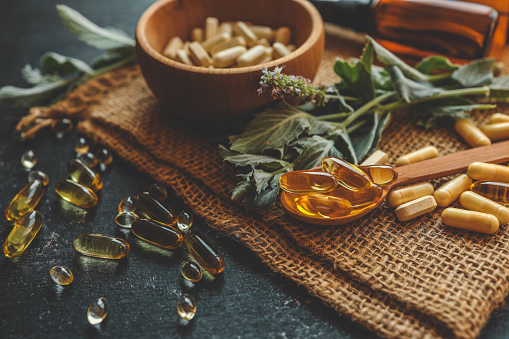
For seniors, maintaining optimal brain health is a key factor in preserving independence and quality of life, and multivitamins may play a supportive role. Certain vitamins and minerals, such as B-complex vitamins, vitamin D, vitamin E, and antioxidants like zinc and selenium, are essential for proper nerve function, neurotransmitter production, and protection against oxidative stress.…
Read MoreDiet Tips for Cancer Prevention

As an older adult, following a cancer-prevention diet involves not just what you eat, but also how you eat to support overall health, digestion, and nutrient absorption. Emphasizing plant-based foods—like vegetables, fruits, legumes, and whole grains—provides antioxidants, fiber, and vitamins that help protect cells from damage. Older adults should focus on variety and color in…
Read MoreTips to Improve Longevity as We Age
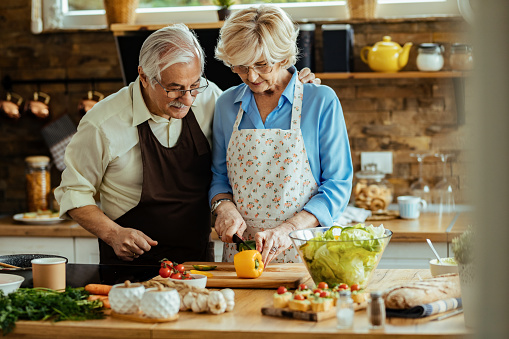
For seniors looking to improve longevity, incorporating healthy habits into daily life can make a significant difference. Staying physically active is essential—even gentle exercises like walking, stretching, light strength training, or household chores help maintain cardiovascular health, muscle strength, and balance. Pairing movement with a balanced diet rich in fruits, vegetables, whole grains, lean proteins,…
Read MoreHow Medication Can Impact Your Sleep
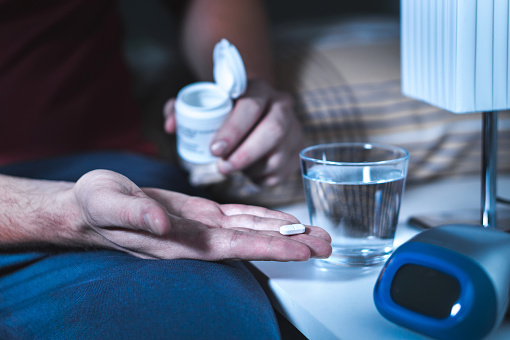
Sleep can become more sensitive with age, and certain medications commonly prescribed to older adults may interfere with healthy sleep patterns. Stimulant medications, including some used for attention disorders or breathing conditions, can make it harder to fall asleep or stay asleep. Decongestants found in many cold and allergy remedies can also stimulate the nervous…
Read MoreCan You Develop Asthma Later in Life?
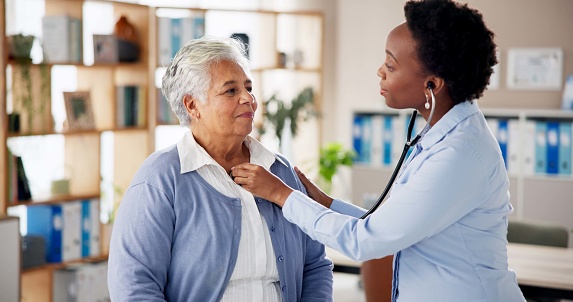
Asthma can develop later in life, a condition often referred to as adult-onset asthma, and it is more common in older adults than many people realize. Unlike childhood asthma, which is often linked to allergies, asthma in seniors may be triggered by long-term exposure to irritants such as air pollution, tobacco smoke, chemical fumes, or…
Read MoreSpotting the Warning Signs of Ovarian Cancer
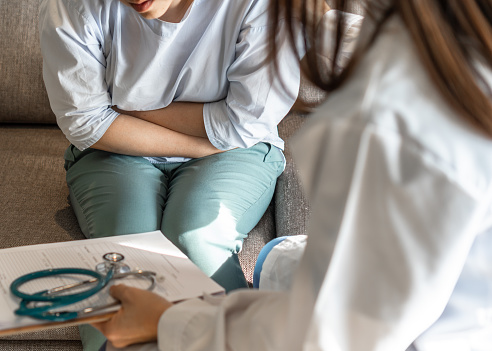
Ovarian cancer is often called a “silent” disease because its early symptoms can be vague, mild, and easy to mistake for everyday digestive or hormonal issues. One of the most common early warning signs is persistent bloating or abdominal swelling. Unlike occasional bloating that comes and goes, ovarian cancer–related bloating tends to be ongoing and may…
Read MoreHow You Feel About Aging May Affect Your Health
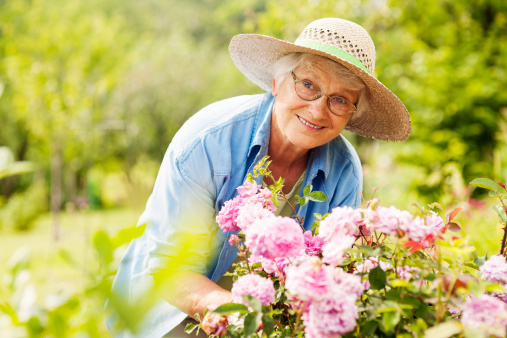
How a person feels about aging can significantly influence their overall health and well-being. Individuals who view aging as a time of growth, wisdom, and new opportunities are more likely to engage in behaviors that support physical and mental health. A positive outlook can reduce stress, lower the risk of depression, and promote resilience when…
Read MoreGood News! More People are Surviving Cancer than Ever Before
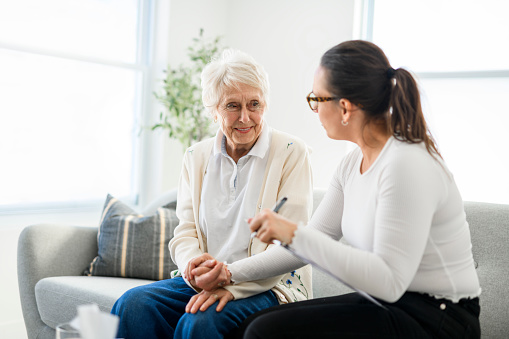
More people are surviving cancer than ever before thanks to major advances in early detection and screening. Improved imaging, genetic testing, and routine screenings are helping doctors identify cancers at earlier, more treatable stages. When cancer is caught early, treatment options are often more effective and less aggressive, leading to better outcomes and higher survival…
Read MoreThe Benefits of Physical Therapy
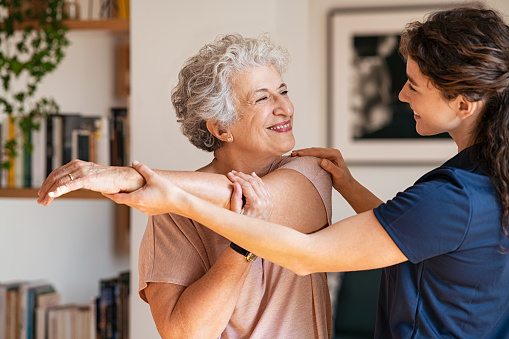
Physical therapy isn’t just for recovery after surgery or injury—it’s also one of the best ways for older adults to stay active, mobile, and independent. A physical therapist can design safe, personalized exercises that help improve strength, flexibility, and balance, making everyday activities like walking, dressing, or climbing stairs easier and safer. Preventing Falls and…
Read More