
Fall Prevention Tips for Seniors
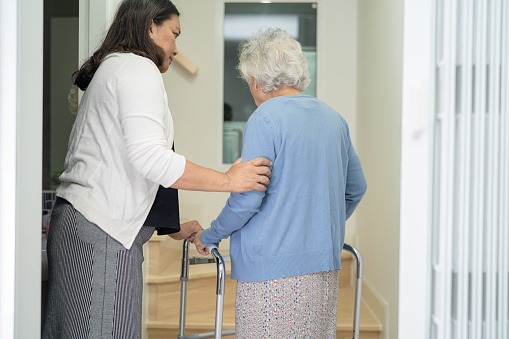
Falls are one of the most serious risks facing older adults, often leading to injuries that can significantly impact their independence and quality of life. Even a minor fall can result in fractures, head injuries, or bruises that may require hospitalization and long recovery times.
Beyond physical harm, falls can also cause fear and anxiety, making seniors less confident in their mobility and more likely to limit their activities— which can further weaken muscles and balance. Statistics show that falls are a leading cause of injury-related deaths among adults aged 65 and older, underscoring the importance of prevention.
Fortunately, many falls can be prevented with simple, proactive steps. Maintaining regular physical activity, especially exercises that improve strength, balance, and flexibility, is key to reducing fall risk. It’s also important to review medications with a healthcare provider, as some can cause dizziness or drowsiness.
Creating a safer home environment—by removing tripping hazards like loose rugs, ensuring adequate lighting, and installing grab bars in bathrooms—can make a big difference. Wearing supportive, non-slip shoes and using assistive devices if needed can further enhance stability. Regular vision and hearing checks are also vital, as sensory impairments can increase fall risk.
By taking these precautions, older adults can greatly reduce their chances of falling and maintain a safer, more confident lifestyle.
For more fall prevention tips, from the National Council on Aging, CLICK HERE.